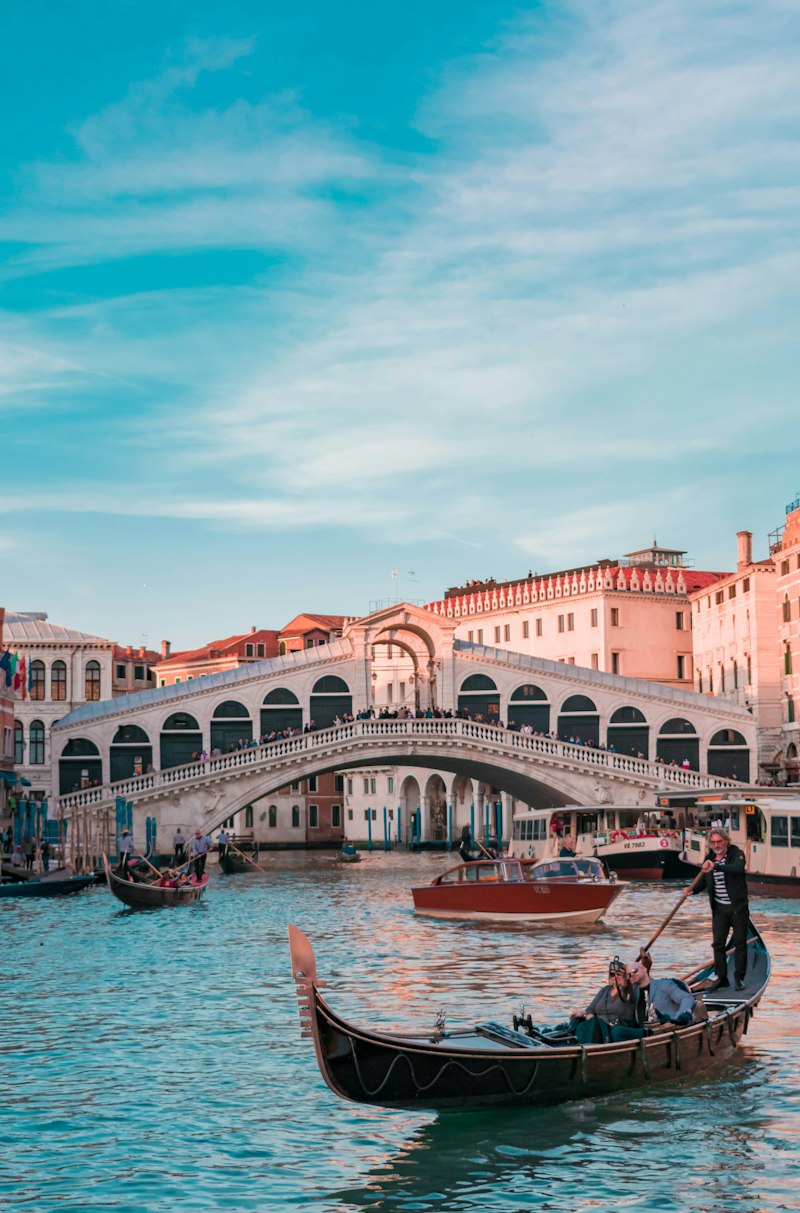
Complete breakdown of monthly expenses, salaries by profession, IRPEF tax system, SSN healthcare, and PPP calculator. For expats and newcomers planning to move to Italy.
Last updated: June 28, 2026 | Next review: December 2026
Monthly Living Expenses in Italy (Mid-size City)
For a couple (2 adults). All amounts in EUR. Based on ISTAT, real 2026 data, and expat reports. Strong North-South divide in costs.
Important: These figures are monthly expenses (after-tax spending). To earn this take-home, you need a higher gross salary. For example, to spend 2,200 EUR/month, you need roughly 3,100 EUR gross (~30-35% effective tax+social contributions). See the Tax Structure tab for details.
~2,200
EUR/month (low)
Frugal couple in mid-size city
~3,500
EUR/month (high)
Comfortable lifestyle in Milan/Rome
~3,100
EUR avg gross needed
Gross salary to cover low-end expenses
~30,000
EUR avg annual salary
Italy-wide median gross (lower than NW Europe)
Category
Item
Low (EUR)
High (EUR)
Notes
Housing
Rent (bilocale / 2-room apartment)
650
1,200
Milan/Rome 900-1,400+; Naples/Palermo 400-700
Condominio (building fees)
50
120
Elevator, cleaning, shared spaces; varies by building
Utilities (luce, gas, acqua)
100
180
Electricity (Enel), gas, water; higher in winter for heating
Iliad, ho. Mobile, Very Mobile; very cheap compared to NW Europe
Housing subtotal
841
1,565
Food & Groceries
Groceries (2 adults)
400
600
Esselunga, Conad, Lidl, Eurospin; local markets cheaper
Eating out (occasional)
80
200
Trattoria lunch menu 10-15 EUR; pizza 7-12 EUR
Food subtotal
480
800
Transport
Monthly transit pass (2 persons)
70
120
Milan ATM 39 EUR; Rome ATAC 35 EUR; varies by city
Occasional car / taxi
0
150
Car sharing, taxi; fuel ~1.80 EUR/litre
Transport subtotal
70
270
Health
SSN (public healthcare)
0
0
Servizio Sanitario Nazionale -- free at point of use for residents
Ticket sanitario (co-pays)
10
40
Small co-pays for specialist visits, tests; exempt if low income
Health subtotal
10
40
Personal & Lifestyle
Clothes
80
200
Zara, OVS, market stalls; saldi (sales) in Jan & Jul
Personal care
60
100
Haircuts, toiletries, cosmetics
Sport & leisure
50
120
Gym 30-50 EUR/month; swimming pool ~40 EUR/month
Household supplies
40
70
Cleaning products, small items
Personal subtotal
230
490
Insurance
RC auto / liability
0
15
Optional personal liability; car insurance if you drive
Home insurance (polizza casa)
10
20
Not mandatory but recommended; covers fire, theft
Insurance subtotal
10
35
TOTAL MONTHLY EXPENSES
~1,641
~3,200
Realistic range: 2,200 - 3,500 with buffer
Salaries by Profession in Italy
Monthly gross salaries in EUR. Data from ISTAT, Glassdoor, LinkedIn Salary Insights 2026. Salaries are notably lower than NW Europe.
13th & 14th month salary (tredicesima & quattordicesima): Italian law mandates a 13th month salary (tredicesima) paid in December. Many contracts also include a 14th month (quattordicesima) in June/July. The figures below show standard monthly gross -- your actual annual pay is 13-14x the monthly figure.
Doctor (Medico)
5,500 EUR
University Professor
5,000 EUR
Data Scientist
4,300 EUR
Software Engineer
4,000 EUR
Lawyer (Avvocato)
4,000 EUR
Mechanical Engineer
3,700 EUR
Marketing Manager
3,400 EUR
Architect (Architetto)
3,200 EUR
Accountant (Commercialista)
3,000 EUR
Teacher (Insegnante)
2,800 EUR
Pharmacist (Farmacista)
2,800 EUR
Nurse (Infermiere)
2,500 EUR
Police Officer (Carabiniere)
2,400 EUR
Electrician (Elettricista)
2,200 EUR
Chef (Cuoco)
2,000 EUR
Bus Driver (Autista)
1,900 EUR
Retail Worker (Commesso)
1,600 EUR
No statutory minimum wage: Italy does not have a national minimum wage. Pay floors are set by CCNL (Contratto Collettivo Nazionale di Lavoro) -- sector-specific collective bargaining agreements. Most CCNL set minimums around 1,200-1,400 EUR/month gross for entry-level roles. A minimum wage law has been debated but not yet enacted as of 2026.
Regional variation: Milan and northern Italy salaries are 20-40% higher than Rome, and 40-60% higher than southern Italy (Mezzogiorno). A software engineer in Milan earns ~4,500 EUR/month gross vs ~2,800 EUR in Naples.
Italian Tax System (Sistema Fiscale)
Italy uses a progressive income tax (IRPEF) plus regional/municipal surcharges and mandatory social contributions (INPS). Updated for 2026 tax year.
IRPEF Income Tax Brackets
Annual Taxable Income (EUR)
Tax Rate
Notes
0 - 28,000
23%
First bracket; no-tax area up to ~8,500 EUR for employees
28,001 - 50,000
35%
Middle bracket
50,001+
43%
Top bracket (Aliquota massima)
Additional Taxes & Surcharges
Tax
Rate
Who Pays
Notes
Addizionale regionale
1.23% - 3.33%
All taxpayers
Varies by region; Lazio ~3.33%, Lombardia ~1.73%
Addizionale comunale
0% - 0.9%
All taxpayers
Set by each municipality (comune); Rome ~0.9%
Flat tax for new residents
100,000 EUR/year
New tax residents (high net worth)
Lump-sum flat tax on foreign income for up to 15 years; popular with wealthy expats
Regime forfettario
15% (or 5%)
Self-employed under 85,000 EUR
Simplified flat tax regime for freelancers (partita IVA); 5% for first 5 years if eligible
Social Contributions (Contributi INPS)
Contribution
Total Rate
Employee Share
Employer Share
Notes
INPS pension & social (Lavoratore dipendente)
~33%
~9.19%
~23.81%
Employer pays the lion's share; covers pension, disability, maternity
INAIL (workplace injury insurance)
0.3% - 3%+
0%
0.3% - 3%+
Paid entirely by employer; rate depends on job risk level
TFR (Trattamento di Fine Rapporto)
~6.91%
0%
~6.91%
Severance fund; accrued annually by employer, paid at end of employment
Net Salary Calculator
Quick Reference: Net Pay by Gross
Monthly Gross
Annual Gross (RAL)
Tax + Social
Net Monthly
Effective Rate
1,800
23,400
~470
~1,330
26.1%
2,500
32,500
~720
~1,780
28.8%
3,500
45,500
~1,120
~2,380
32.0%
5,000
65,000
~1,850
~3,150
37.0%
7,000
91,000
~2,850
~4,150
40.7%
Purchasing Power Parity (PPP) Calculator
Compare how far your Italian salary goes in other countries. Based on World Bank/OECD 2025-2026 PPP indices. Italy = 100.
Country
Currency
PPP Index
Region
2,500 EUR buys equiv. of
How to read: Italy = 100. If Switzerland has a PPP index of 171, your 2,500 EUR in Italy has the same purchasing power as 2,500 x (171/100) = 4,275 EUR in Switzerland. You'd need ~71% more money in Switzerland for the same standard of living.
Cost of Living by City
Comparing major Italian cities. Milan = 100 (most expensive baseline). Data: ISTAT, Numbeo, Immobiliare.it 2026.
City
Avg Rent Bilocale (EUR)
Monthly Pass (EUR)
Meal Out (EUR)
Espresso (EUR)
Livability Note
Milan (Milano)
1,000-1,500
39
14-25
1.30
Most expensive; fashion & finance capital; best job market
Rome (Roma)
800-1,300
35
12-22
1.10
Capital city; bureaucratic hub; eternal history
Florence (Firenze)
750-1,200
35
12-20
1.20
Art & culture; tourist-heavy; expensive for size
Bologna
700-1,100
39
12-20
1.10
University town; food capital (tortellini, ragu); vibrant
Turin (Torino)
550-900
38
10-18
1.10
Former FIAT capital; underrated; great aperitivo scene
Venice (Venezia)
700-1,100
37
14-25
1.50
Tourist prices; very expensive for locals; unique lifestyle
Naples (Napoli)
450-750
35
8-15
1.00
Cheapest major city; best pizza; chaotic but authentic
Palermo
400-650
35
7-14
0.90
Most affordable; Sicilian cuisine; growing digital nomad scene
North-South divide: Italy has one of Europe's starkest economic divides. Milan's GDP per capita is nearly double that of Naples. Salaries, rents, and services cost significantly more in the North, but infrastructure and job availability are also better. Many young Italians move north or abroad for better opportunities.
Italian Healthcare System (Servizio Sanitario Nazionale)
Italy's SSN provides universal healthcare to all residents. Ranked among the best in the world by WHO.
SSN
Universal public system
Free at point of use for all residents
Tessera
Sanitaria (health card)
Your health insurance card; also your codice fiscale card
ASL
Local health authority
Azienda Sanitaria Locale -- register here for a GP
~36.50
EUR max ticket
Maximum co-pay per specialist visit/test
How SSN Works
Step
What to Do
Details
1. Register
Go to your local ASL (Azienda Sanitaria Locale)
Bring codice fiscale, permesso di soggiorno (non-EU), ID, residency certificate
2. Choose GP
Select a Medico di Base (family doctor)
Free; your primary care doctor for referrals, prescriptions, sick notes
3. Get tessera
Receive your Tessera Sanitaria
Health card valid across Italy and EU (EHIC equivalent on back)
4. Use services
GP visits free; specialists via referral (impegnativa)
Pay ticket sanitario (co-pay) for specialist visits and tests
What's Covered
Service
Cost (SSN)
Notes
GP visit (Medico di Base)
Free
No appointment fee; walk-in during orario di studio
Specialist visit
Ticket ~36.50 EUR
Need impegnativa (referral) from GP; long wait times in public system
Public hospitals; no daily charge for SSN patients
Prescription drugs
Free - 5 EUR
Fascia A (essential) free or small co-pay; Fascia C paid in full
Dental - basic
Partially covered
Very limited SSN dental; most Italians pay privately (50-100 EUR/visit)
Mental health
Covered (limited)
SSN covers some psychotherapy; bonus psicologo program; long waits
Maternity
Fully covered
All prenatal, delivery, postnatal care covered by SSN
Lab tests / diagnostics
Ticket ~10-36.50 EUR
Blood tests, X-rays, MRI; exempt (esente) if chronic condition or low income
Private healthcare (Sanita privata): Many Italians use a mix of public and private. Private specialist visits cost 80-200 EUR but have no wait time. Private insurance (assicurazione sanitaria integrativa) costs 50-150 EUR/month and is offered by some employers. The SSN is excellent for emergencies and major care; private is faster for routine specialists.
Housing in Italy (Cercare Casa)
The Italian rental market varies enormously by city. Understanding contract types and local practices is essential.
Key Terms
Italian Term
English
Explanation
Contratto 4+4
Standard rental contract
4 years initial + 4 years automatic renewal; most common residential lease
Contratto 3+2
Agreed-rent contract
3 years + 2 years renewal; rent set by local agreements (canone concordato); tax benefits for both parties
Contratto transitorio
Temporary contract
1-18 months; for documented temporary needs (work transfer, study)
Caparra
Security deposit
Usually 2-3 months rent; legally returnable at end of contract
Cedolare secca
Flat tax on rent
Optional 21% flat tax on rental income (10% for canone concordato); landlord benefit that often means no rent increases
Spese condominiali
Building maintenance fees
Monthly fee for shared building costs: elevator, stairs, cleaning, common areas
Residenza
Official residence
Register at Anagrafe (registry office); needed for SSN, voting, many services
Codice fiscale
Tax identification code
Italian equivalent of SSN/NIN; needed for EVERYTHING -- get it first at Agenzia delle Entrate
Where to Search
Platform
Type
Notes
Immobiliare.it
All types
Largest property portal in Italy; essential for apartment hunting
Idealista.it
All types
Second largest; good filters; also popular in Spain and Portugal
Casa.it
All types
Third major portal; good for regional listings
Subito.it
All types
Italian classifieds (like Craigslist); private rentals, some scams
Bakeca.it
Rooms / shared
Good for shared apartments (coinquilini); popular with students
Facebook groups
All types
"Affitti Milano", "Case in affitto Roma" groups; expat communities active
Documents you'll need: Codice fiscale, last 3 buste paga (pay slips), copy of ID/passport, permesso di soggiorno (non-EU), work contract (contratto di lavoro). Some landlords also request a guarantor (garante) or proof of employment. The market moves fast in Milan -- be ready to decide within days. Beware of scams asking for deposits before viewing.
Transport in Italy (Trasporti)
Italy has excellent intercity rail, decent city transit in the north, and a car-dependent culture in the south.
39
EUR/month (Milan ATM)
Abbonamento mensile -- metro, bus, tram
300 km/h
Frecciarossa top speed
Milan-Rome in 2h50m by high-speed rail
~1.80
EUR/litre petrol
Diesel ~1.70 EUR; among highest in Europe
ZTL
Restricted traffic zones
Zona a Traffico Limitato -- fines if you drive in without permit
Transport Type
Cost
Details
Milan ATM pass (abbonamento)
39 EUR/month
Metro (4 lines), bus, tram citywide; annual 330 EUR
Rome ATAC pass
35 EUR/month
Metro (3 lines), bus, tram; Roma TPL zone
Trenitalia Frecciarossa (Milan-Rome)
30-90 EUR
2h50m high-speed; book early for Super Economy from 29 EUR
Italo (private high-speed)
25-85 EUR
Competes with Trenitalia; often cheaper; Milan-Rome, Florence-Naples
Trenitalia Regionale
5-20 EUR
Regional trains; slower but cheap; no reservation needed
Car insurance (RC Auto)
40-100 EUR/month
Mandatory; much higher in south (Naples can be 2x Milan); based on history
ZTL fine
80-335 EUR
Automatic camera enforcement; many city centers are ZTL -- check before driving!
Autostrada tolls (Milan-Rome)
~45 EUR one way
Telepass for automatic payment; tolls add up quickly on long drives
Bicycle
50-250 EUR
Growing bike lanes in Milan, Bologna; BikeMi sharing 36 EUR/year in Milan
E-scooter rental
~0.25 EUR/min
Lime, Dott, Tier; common in major cities
Pro tip: Book Trenitalia Frecciarossa or Italo tickets 2-3 months in advance for prices as low as 19-29 EUR (Milan-Rome). The Carta Freccia loyalty program gives points and discounts. For regional travel, look for abbonamenti regionali (monthly regional passes). Unlike Germany's Deutschlandticket, Italy does NOT have a single national transit pass.
Working in Italy (Lavorare in Italia)
Italian work culture, employment rights, and practical info for newcomers.
20-28
Vacation days/year
Legal minimum 20 days (4 weeks); many CCNL give more
13-14
Monthly salaries/year
Tredicesima mandatory; quattordicesima common
TFR
Severance fund
~1 month salary/year accrued; paid on termination
Permesso
di Soggiorno
Residence permit for non-EU workers; apply at Questura
Topic
Details
Notes
Contratto a tempo indeterminato
Permanent contract (open-ended)
The gold standard; very difficult for employer to terminate; strong protections
Contratto a tempo determinato
Fixed-term contract
Max 24 months (with extensions); must be converted to permanent or ended
Periodo di prova
Probation period; varies by CCNL (1-6 months)
Either party can terminate with no notice; shorter for lower qualifications
Working hours
Standard 40 hours/week (by law); 36-38 for some CCNL
Max 48 hours/week including overtime averaged over 4 months
Ferie (vacation)
Minimum 4 weeks/year (20 days)
Most CCNL add 2-5 more; August (Ferragosto) nearly everything closes
Tredicesima
13th month salary, paid in December
Mandatory by law; equals one month's salary
Quattordicesima
14th month salary, paid in June/July
Not mandatory but common in many CCNL (commerce, tourism, etc.)
TFR (Trattamento Fine Rapporto)
Severance/end-of-service fund (~1 month/year)
Accrued annually; paid as lump sum when you leave; can be redirected to pension fund
Sick leave (Malattia)
INPS pays from day 4; employer supplements
First 3 days (carenza) -- employer pays or unpaid depending on CCNL; need certificato medico from doctor
Permesso di soggiorno
Residence permit for non-EU citizens
Apply at Questura within 8 days of arrival; requires work contract, housing, insurance
Maternita
5 months mandatory maternity leave
2 months before + 3 months after birth (or 1+4); 80% salary from INPS
Paternita
10 days mandatory paternity leave
100% salary; must be taken within 5 months of birth
Work Culture Tips
Italian work culture essentials: (1) Relationships first -- building personal rapport (fare bella figura) matters more than efficiency. (2) Pranzo (lunch) -- lunch breaks are sacred (1-2 hours); many offices close 13:00-14:30. (3) Hierarchy -- titles matter (Dottore/Dottoressa for any degree holder, Ingegnere for engineers). (4) Flexibility on time -- meetings may start 10-15 minutes late; don't panic, it's normal. (5) August shutdown -- many businesses close entirely for 1-3 weeks around Ferragosto (Aug 15). Plan ahead.
Italian Culture & Essential Phrases
Italy is not just a country -- it's a lifestyle. Understanding these cultural norms will help you integrate and avoid faux pas.
Essential Phrases
Italian
English
Pronunciation
Buongiorno
Good morning / Hello (formal)
bwon-JOR-no
Buonasera
Good evening (after ~5pm)
bwon-ah-SEH-rah
Grazie / Grazie mille
Thank you / Thanks a lot
GRAH-tsee-eh / GRAH-tsee-eh MEE-leh
Per favore / Per piacere
Please
pair fah-VOH-reh
Mi scusi / Scusa
Excuse me (formal / informal)
mee SKOO-zee / SKOO-zah
Parla inglese?
Do you speak English?
PAR-lah een-GLEH-zeh
Non capisco
I don't understand
non kah-PEES-ko
Quanto costa?
How much does it cost?
KWAN-toh KOS-tah
Un caffe, per favore
An espresso, please
oon kaf-FEH pair fah-VOH-reh
Il conto, per favore
The bill, please
eel KON-toh pair fah-VOH-reh
Cultural Essentials
Topic
What to Know
Details
Espresso etiquette
Stand at the bar (al banco) for cheaper coffee
"Un caffe" = espresso. Cappuccino ONLY before 11am (locals will judge). Sitting at a table (al tavolo) costs 2-3x more in tourist areas.
Pranzo vs Cena
Lunch 12:30-14:30, Dinner 20:00-22:00
Pranzo (lunch) is the main meal in many regions. Restaurants don't open for cena (dinner) before 19:30. Eating dinner at 18:00 is very foreign.
Aperitivo
Pre-dinner drinks + snacks, 18:00-21:00
Italy's version of happy hour. Spritz Aperol (3-7 EUR) with free stuzzichini (snacks). Milan invented "apericena" -- aperitivo buffet as dinner replacement.
Passeggiata
Evening stroll, typically 17:00-20:00
Sacred Italian tradition. Families and couples walk the main street (corso) to see and be seen. Join in -- it's how communities bond.
Bella figura
Making a good impression
Dress well, present yourself well, be polite. Italians care deeply about appearance and social grace. Sweatpants in public are frowned upon (except for sport).
Coperto
Cover charge at restaurants (1-3 EUR/person)
Not a tip -- it's a service/bread charge. Legal in most regions. Tipping is appreciated but not expected (round up or leave 5-10%).
Pausa pranzo
Lunch break closure
Many shops, banks, post offices close 13:00-15:30. Plan errands for morning or late afternoon.
Festa / public holidays
Many regional saints' days
Each city has its patron saint day (festa patronale) -- banks and shops may close. Plus 12 national holidays/year.
Food Rules (Non-Negotiable)
Things that will horrify Italians: (1) Cappuccino after lunch -- milk-based coffee is a breakfast drink only. (2) Pineapple on pizza -- don't even joke about it. (3) Ketchup on pasta -- this is a declaration of war. (4) Breaking spaghetti -- never break pasta before cooking. (5) Chicken on pasta -- not an Italian thing (sorry, Alfredo). (6) Parmesan on fish pasta -- formaggio and pesce don't mix. Order correctly and you'll earn instant respect.
Practical tips: (1) Raccolta differenziata -- waste sorting is MANDATORY and varies by comune; check your local rules or face fines. (2) Pharmacies (farmacie) -- for minor health issues, pharmacists can advise and sell many medications without prescription. Look for the green cross. (3) Tabaccheria -- tobacco shops sell bus tickets, stamps, phone top-ups, and bollo (tax stamps). Essential for daily life. (4) Scontrino fiscale -- always get a receipt; both customer and vendor can be fined if caught without one.
Minimum Earnings to Survive in Italy
What gross salary (RAL) do you need? Here's the realistic breakdown for 2026.
~28,000
EUR/year gross (single)
Comfortable living in mid-size city
~42,000
EUR/year gross (couple)
Two adults in mid-size city
~1,800
EUR/month net minimum
Bare minimum for couple (frugal, small city)
~2,800
EUR/month recommended
Comfortable net for couple with buffer
Lifestyle
Monthly Expenses (EUR)
Gross Salary Needed (EUR)
Net After Tax
Buffer
Survival mode Shared room, South Italy, very frugal
900
1,500
1,100
+200
Basic single Own flat, small/southern city
1,400
2,300
1,600
+200
Couple (mid-size city) 2 adults, comfortable
2,400
3,800
2,600
+200
Couple (Milan/Rome) 2 adults, good lifestyle
3,500
5,500
3,700
+200
Family with child 2 adults + 1 child, big city
3,800
6,200
4,100
+300
Newcomer checklist (first 2 weeks): (1) Get your codice fiscale at Agenzia delle Entrate (needed for everything). (2) Apply for permesso di soggiorno at Questura (non-EU, within 8 days). (3) Open a bank account (Intesa Sanpaolo, UniCredit, N26 Italy, Revolut). (4) Register residenza at the Anagrafe (comune). (5) Register at the ASL for SSN healthcare and choose a Medico di Base. (6) Get a SIM card (Iliad, ho. Mobile -- bring codice fiscale!). (7) Buy a monthly abbonamento for local transport. (8) Learn to say "un caffe, per favore" -- you'll need it daily.
Data note: All figures updated June 2026. Rents, salaries, and tax brackets change annually. Always verify current rates with official sources (Agenzia delle Entrate, ISTAT, INPS) before making financial decisions.