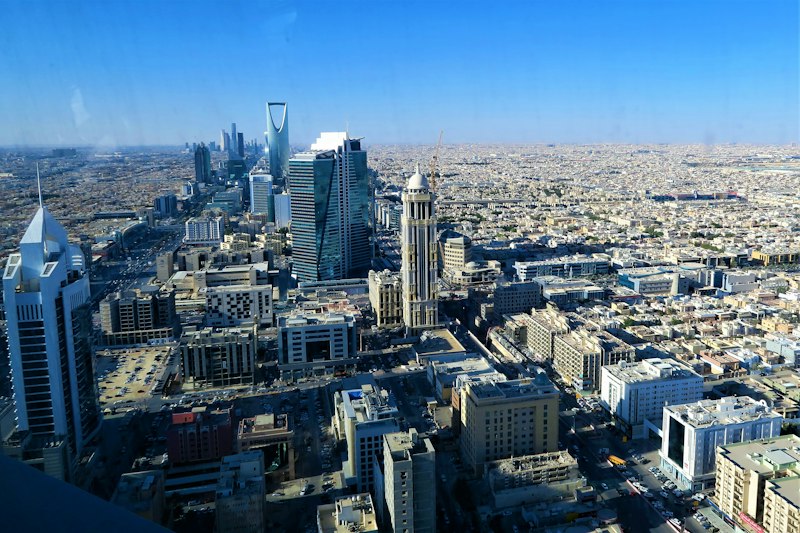
Complete breakdown of monthly expenses, salaries by profession, tax-free income structure, GOSI contributions, healthcare, and PPP calculator. For expats and newcomers planning to move to the Kingdom of Saudi Arabia.
Last updated: June 28, 2026 | Next review: December 2026
Monthly Living Expenses in Saudi Arabia (Riyadh)
For a couple (2 adults). All amounts in SAR. Based on GASTAT, real 2026 data, and expat reports.
Important: Saudi Arabia has no personal income tax. Your gross salary is essentially your take-home pay (minus GOSI social insurance for Saudi nationals, or employer-side fees for expats). See the Tax Structure tab for details on VAT, GOSI, and expat dependent fees.
~6,500
SAR/month (low)
Frugal couple in Riyadh
~14,000
SAR/month (high)
Comfortable lifestyle
0%
Income tax rate
No personal income tax in KSA
~10,000
SAR avg expat salary
Mid-level professional package
Category
Item
Low (SAR)
High (SAR)
Notes
Housing
Rent (2-bedroom apartment)
2,500
5,500
Compound living for expats: 6,000-12,000 SAR; some employers cover housing
Electricity (SECO)
200
600
Heavily subsidized; A/C drives summer bills up significantly
Water (NWC)
50
150
Subsidized; desalinated water
Internet (fiber)
200
350
STC, Mobily, Zain; fiber widely available
Mobile phones (2 SIMs)
100
200
STC, Mobily, Zain; prepaid or postpaid
Housing subtotal
3,050
6,800
Food & Groceries
Groceries (2 adults)
1,200
2,000
Tamimi, Panda, Danube, Carrefour; imported goods cost more
Dining out
400
1,000
Shawarma 10-20 SAR; mid-range restaurant 80-150 SAR for two
Food subtotal
1,600
3,000
Transport
Fuel (petrol)
200
500
Petrol ~2.33 SAR/litre (91 octane); very cheap by global standards
Car insurance
150
400
Third-party mandatory; comprehensive optional
Ride-hailing / taxi
0
500
Uber, Careem widely used; Riyadh Metro opening 2025-2026
Transport subtotal
350
1,400
Health Insurance
Mandatory health insurance (CCHI)
0
0
Employer must provide health insurance for all expat workers by law
Out-of-pocket (co-pays, dental)
100
300
Co-pay typically 20%; dental often limited coverage
Health subtotal
100
300
Personal & Lifestyle
Clothes
200
500
Malls ubiquitous; international brands available
Personal care
100
250
Haircuts, toiletries, cosmetics
Gym / leisure
150
500
Gym 150-400 SAR/month; entertainment options expanding (Vision 2030)
Household supplies
100
200
Cleaning products, small items
Personal subtotal
550
1,450
Expat-Specific Costs
Iqama renewal (annual, per person)
55
55
650 SAR/year = ~55 SAR/month per person
Dependent fee (per dependent/year)
333
333
400 SAR/month per dependent (4,800 SAR/year) since 2020
Expat fees subtotal
110
388
Varies by number of dependents
TOTAL MONTHLY EXPENSES
~5,760
~13,338
Realistic range: 6,500 - 14,000 with buffer
Salaries by Profession in Saudi Arabia
Monthly gross salaries in SAR. Data from GASTAT, Bayt.com, GulfTalent, Glassdoor 2026. Expat packages often include housing & transport allowances.
Expat packages: Many employers offer a total compensation package including base salary, housing allowance (25-30% of base), transport allowance, annual flight tickets home, and children's school fees. Always negotiate the full package, not just base salary. SAR is pegged to USD at 3.75.
Consultant Doctor
45,000 SAR
Senior Engineer (Oil/Gas)
40,000 SAR
IT Director
35,000 SAR
Data Scientist
30,000 SAR
Software Engineer
26,000 SAR
Lawyer
25,000 SAR
Pharmacist
22,000 SAR
Mechanical Engineer
21,000 SAR
Accountant
18,000 SAR
Marketing Manager
17,000 SAR
Teacher (International School)
15,000 SAR
Nurse
12,000 SAR
Architect
12,000 SAR
Admin / HR Officer
10,000 SAR
Electrician / Technician
8,000 SAR
Driver
5,000 SAR
Retail Worker
4,000 SAR
Laborer / Cleaner
3,000 SAR
Minimum wage (2026): Saudi nationals have a minimum wage of 4,000 SAR/month for private-sector Nitaqat calculations. There is no official minimum wage for expat workers, though labor contracts must specify agreed salary. Domestic workers have a separate minimum of ~1,500 SAR.
Saudi Arabia Tax & Social Contribution System
Saudi Arabia has no personal income tax. Revenue comes from corporate tax, VAT, GOSI social insurance, and various fees. Updated for 2026.
Personal Income Tax
Category
Tax Rate
Notes
Saudi nationals
0%
No personal income tax; subject to Zakat (2.5% on net wealth) for businesses
Expat individuals
0%
No personal income tax for expatriates
Foreign-owned companies
20%
Corporate income tax on non-GCC shareholders' share of profits
Oil / hydrocarbon companies
50-85%
Special rates for oil and gas sector
VAT & Indirect Taxes
Tax Type
Rate
Details
Value Added Tax (VAT)
15%
Applied to most goods and services since July 2020 (increased from 5%)
Excise tax - tobacco
100%
Doubled on tobacco products
Excise tax - energy drinks
100%
Doubled on energy drinks
Excise tax - soft drinks
50%
50% on carbonated soft drinks
Real estate transaction tax
5%
RETT on property sales (replaced 15% VAT on property)
GOSI Social Insurance (Saudis & GCC Nationals)
Contribution
Total Rate
Employee Share
Employer Share
Notes
Annuities (pension)
18%
9%
9%
Saudi nationals only; capped at 45,000 SAR/month salary
Occupational Hazards (OHRP)
2%
0%
2%
Employer pays for all employees (Saudis & expats)
SANED (unemployment)
2%
1%
1%
Saudi nationals only; unemployment insurance
Expat-Specific Government Fees
Fee Type
Amount (SAR)
Frequency
Notes
Expat dependent levy
400/month per dependent
Monthly
4,800 SAR/year per dependent; applies to spouse, children, parents
Iqama (residence permit) renewal
650
Annual
Per person; penalties for late renewal
Exit/re-entry visa (single)
200
Per trip
Multiple exit/re-entry: 500 SAR for 3 months
Work visa issuance
2,000
One-time
Typically employer-sponsored
Excess expat levy
800/month per worker
Monthly
If company exceeds expat quotas (Nitaqat); employer cost
Salary & Deductions Calculator
Quick Reference: Take-Home by Salary
Monthly Salary
GOSI (Saudi)
Take-Home (Saudi)
Dependent Fees (Expat, 2 deps)
Effective Take-Home (Expat)
5,000
500
4,500
800
5,000*
10,000
1,000
9,000
800
10,000*
15,000
1,500
13,500
800
15,000*
25,000
2,500
22,500
800
25,000*
40,000
4,000
36,000
800
40,000*
* Note: Expats receive full salary (no GOSI pension deduction). However, dependent fees (400 SAR/month each) are a significant household cost. Employer pays 2% OHRP for all workers. GOSI pension (9% employee share) applies only to Saudi nationals.
Purchasing Power Parity (PPP) Calculator
Compare how far your Saudi salary goes in other countries. Based on World Bank/OECD 2025-2026 PPP indices. Saudi Arabia = 100.
Country
Currency
PPP Index
Region
8,000 SAR buys equiv. of
How to read: Saudi Arabia = 100. If India has a PPP index of 40, your 8,000 SAR in Saudi has the same purchasing power as 8,000 x (40/100) = 3,200 SAR in India. You'd need ~60% less money in India for the same standard of living.
Cost of Living by City
Comparing major Saudi cities. Riyadh = 100 (most expensive baseline). Data: GASTAT, Numbeo, expat reports 2026.
City
Avg Rent 2-BR (SAR)
Meal Out (SAR)
Petrol/L (SAR)
Groceries Index
Livability Note
Riyadh
3,000-6,000
40-120
2.33
100
Capital; fastest growing; Vision 2030 hub; hot summers
Jeddah
2,500-5,000
35-100
2.33
95
Red Sea coast; more liberal; gateway to Makkah; humid
Mega-project zone; $500B investment; futuristic city planned
Compound living: Many expats live in gated compounds with pools, gyms, and social areas. These offer a more relaxed environment and typically cost 6,000-15,000 SAR/month for a 2-3 bedroom villa. Employer-provided housing is a major benefit to negotiate.
Healthcare in Saudi Arabia
Saudi Arabia has a dual public-private healthcare system. Expats must have employer-provided health insurance (CCHI-regulated).
Mandatory
Employer insurance
CCHI-regulated; employer must cover all expat workers
20%
Typical co-pay
Co-payment for outpatient visits; capped at 100 SAR
Free
Public care (Saudis)
Saudi nationals get free healthcare at MOH hospitals
350+
Hospitals
MOH, private, and military hospitals across KSA
Public vs Private Healthcare
Feature
Public (MOH)
Private (Insurance-based)
Eligibility
Saudi nationals (free); expats in emergencies only
Anyone with health insurance; mandatory for all expats
Cost
Free for Saudis
Employer pays premium; employee pays co-pay (typically 20%)
Quality
Variable; some excellent (KFSH&RC, NGHA)
Generally higher standard; shorter wait times
Wait times
Can be long for non-urgent care
Shorter; appointment-based
Language
Arabic primarily; some English
English widely spoken in private hospitals
Top hospitals
KFSH&RC, NGHA, KFMC
Dr. Sulaiman Al Habib, Mouwasat, Saudi German
Typical Costs (with insurance)
Service
Cost (SAR)
Notes
GP consultation
20-50 co-pay
20% co-pay; insurer covers rest
Specialist consultation
30-75 co-pay
Referral may be needed depending on plan
Emergency visit
100 co-pay cap
CCHI mandates max 100 SAR co-pay for emergencies
Hospital stay (per night)
Covered
Mostly covered; check plan for room category
Prescription drugs
20% co-pay
Formulary-listed drugs covered; some exclusions
Dental - basic
Limited coverage
Many plans offer basic dental; advanced work often excluded
Maternity
Covered (limits apply)
Most plans cover delivery; check waiting periods (usually 12 months)
Optical
Partial coverage
Some plans include basic eyewear allowance
Insurance tip: Always check your policy's network (which hospitals/clinics are covered), annual limits, and exclusions before using services. CCHI (Council of Cooperative Health Insurance) regulates all health insurance. File complaints via the CCHI portal if your insurer denies legitimate claims. Emergency treatment cannot be refused by any hospital.
Housing in Saudi Arabia
The Saudi rental market varies significantly between apartments, villas, and expat compounds. Understanding the options is essential.
Housing Types
Type
Monthly Rent (SAR)
Best For
Apartment (2-BR)
2,000 - 5,500
Singles, couples; city center or residential areas
Villa (standalone)
5,000 - 15,000
Families; more space and privacy
Compound villa
6,000 - 20,000
Expat families; security, pools, gyms, social life
Furnished apartment
4,000 - 10,000
Short-term; new arrivals; corporate housing
Shared accommodation
1,000 - 2,500
Single expat workers; bachelor housing
Key Terms & Practices
Term
Explanation
Ejar
Government platform for registering rental contracts; mandatory since 2018; protects tenant and landlord rights
Annual payment
Traditionally rent paid in 1-4 post-dated cheques per year; negotiable to monthly with some landlords
Compound
Gated expat community with shared amenities (pool, gym, playground); more relaxed social rules
Employer housing
Many employers provide housing or a housing allowance (25-30% of base salary); a key benefit
Maintenance
Major repairs are landlord's responsibility; minor maintenance is tenant's; clarify in contract
AC units
Split or window units; ensure they work before signing; A/C is essential May-September
Where to Search
Platform
Type
Notes
Bayut.sa
All types
Largest property portal in Saudi Arabia
Aqar.fm
All types
Popular Arabic-language listing platform
Property Finder
All types
English-friendly; good for expats
Haraj.com.sa
Classifieds
General classifieds; some housing listings
Facebook / WhatsApp groups
All types
"Expats in Riyadh" groups; word-of-mouth common
Rental tips: (1) Always register your contract on Ejar platform to protect your rights. (2) Negotiate payment terms -- some landlords accept quarterly or monthly instead of annual. (3) Check A/C condition before signing; summer electricity bills can be 500-1,000+ SAR. (4) Compounds are pricier but offer community, security, and amenities. (5) Verify the landlord's ownership through the Ejar system.
Transport in Saudi Arabia
Saudi Arabia is car-dependent, though major cities are rapidly developing public transport (Riyadh Metro, Jeddah BRT).
2.33
SAR/litre (91 octane)
Among cheapest fuel globally; 95 octane: 2.52 SAR
6 lines
Riyadh Metro
176 stations; opening 2025-2026; transformative
~300
SAR/month fuel
Average commuter fuel cost
Uber/Careem
Ride-hailing
Widely used; Careem is regional favorite
Transport Type
Cost
Details
Petrol (91 octane)
2.33 SAR/litre
Government-regulated price; among cheapest globally
Annual registration renewal; varies by vehicle type
Driving license (new)
400 SAR
Driving school mandatory; women can drive since June 2018
Domestic flights
200-600 SAR
Saudia, flynas, flyadeal; Riyadh-Jeddah ~300 SAR one-way
Haramain High-Speed Rail
150-300 SAR
Makkah-Madinah via Jeddah; 450 km/h; 2 hours
Driving tips: (1) A car is practically essential outside Riyadh city center. (2) Saher speed cameras are everywhere; fines are automatic and substantial (300-900 SAR). (3) International driving permits are accepted for 3 months; then convert to Saudi license. (4) Road quality is generally excellent on highways. (5) The Riyadh Metro will be transformative -- 6 lines covering the entire city once fully operational.
Working in Saudi Arabia
Saudi work culture, Saudization (Nitaqat), iqama system, and practical info for expat workers.
21-30
Vacation days/year
21 days (first 5 years); 30 days after
90 days
Probation period
Extendable to 180 days by written agreement
48 hrs
Max work week
8 hours/day; 6 hours/day during Ramadan
Iqama
Residence permit
Sponsored by employer; required for all expats
Saudization / Nitaqat System
Nitaqat Band
Color
Saudi % Required
Impact on Employer
Platinum
Excellent
Exceeds quota significantly
Maximum flexibility; easy visa processing; can hire from Red-zone companies
Green (High/Mid/Low)
Compliant
Meets minimum quota
Normal operations; can renew visas; standard processing
Yellow
Warning
Below minimum
Limited visa renewals; 6-month correction period
Red
Non-compliant
Significantly below
Cannot renew visas; cannot hire expats; risk of business suspension
Employment Essentials
Topic
Details
Notes
Iqama (residence permit)
Employer-sponsored; must carry at all times
Renewed annually (650 SAR); employer holds responsibility; transfer possible via Absher
Kafala system reforms
Workers can transfer employers without sponsor consent (since 2021)
Via Ministry of Human Resources portal; contract must be completed or mutual agreement
Working hours
48 hours/week max; 8 hours/day
6 hours/day during Ramadan; Friday-Saturday weekend (since 2022)
Vacation (annual leave)
21 days (first 5 years); 30 days after 5 years
Plus national holidays (Saudi National Day, Eid al-Fitr, Eid al-Adha)
End-of-service gratuity
15 days' salary per year (first 5 years); 30 days after
Major benefit; paid on contract end; calculated on last basic salary
Sick leave
30 days full pay; 60 days 75% pay; 30 days unpaid
Per year; medical certificate required after 3 days
Maternity leave
70 days (10 weeks)
Full pay; 4 weeks before + 6 weeks after expected delivery date
Notice period
60 days (monthly-paid); 30 days (others)
Both parties; indefinite contracts require written notice
WPS (Wage Protection)
Salaries must be paid through banking system
Ministry monitors; penalties for late payment; protects workers
Saudization quotas
Varies by sector (5-100%)
Nitaqat system; some roles reserved exclusively for Saudis
Work Culture Tips
Saudi work culture essentials: (1) Relationships first -- business is personal; build trust over coffee/tea before discussing business. (2) Prayer times -- shops and some offices close during the 5 daily prayers (15-30 min each); plan meetings accordingly. (3) Ramadan hours -- reduced working hours (6 hrs/day); do not eat/drink publicly during fasting hours. (4) Thursday-Friday was the old weekend; since 2022 it's now Friday-Saturday. (5) Wasta -- connections and networking are important in Saudi business culture. (6) Dress code -- business formal for meetings; modest dress at all times.
Local Basics: Arabic Phrases, Prayer Times & Culture
Essential Arabic phrases, understanding prayer times, and cultural norms for living in Saudi Arabia.
Essential Arabic Phrases
Arabic
Transliteration
English
When to Use
السلام عليكم
As-salamu alaykum
Peace be upon you
Universal greeting; always reply with "Wa alaykum as-salam"
شكراً
Shukran
Thank you
Everyday gratitude; add "jazilan" for "very much"
من فضلك
Min fadlak
Please / Excuse me
"Min fadlik" when addressing a woman
نعم / لا
Na'am / La
Yes / No
Basic responses
إن شاء الله
Insha'Allah
God willing
Used for future plans; very common in daily speech
ما شاء الله
Masha'Allah
God has willed it
Express admiration; used to compliment or praise
كم السعر؟
Kam as-si'r?
How much?
Shopping; bargaining at souks
أين؟
Ayna...?
Where is...?
Asking for directions
لا أتكلم عربي
La atakallam arabi
I don't speak Arabic
Useful for expats; most people will try English
الحمد لله
Alhamdulillah
Praise be to God
Response to "How are you?"; expressing gratitude
يلا / هيا
Yalla / Hayya
Let's go / Come on
Very casual; used frequently among friends
مع السلامة
Ma'a as-salama
Goodbye
Literally "with peace"; formal farewell
Daily Prayer Times (approximate)
Prayer times matter for everyone: Shops, restaurants, and some businesses close during prayer times (typically 15-30 minutes each). Plan errands and meetings around these times. Prayer times shift daily based on the sun's position.
Prayer
Arabic
Approximate Time
Impact
Fajr
الفجر
~4:00 - 4:30 AM
Dawn prayer; most shops still closed
Dhuhr
الظهر
~12:00 - 12:30 PM
Noon prayer; lunch break for many; shops close briefly
Asr
العصر
~3:00 - 3:30 PM
Afternoon prayer; shops close briefly
Maghrib
المغرب
~6:00 - 6:30 PM
Sunset prayer; shops close; iftar time during Ramadan
Isha
العشاء
~7:30 - 8:00 PM
Night prayer; evening activity resumes after
Cultural Norms & Tips
Topic
What to Know
Dress code
Modest dress for all. Men: long trousers and shirts. Women: loose-fitting clothes covering shoulders and knees (abaya no longer strictly mandatory for foreigners but modest dress expected). No shorts in malls.
Alcohol
Strictly prohibited. No alcohol is sold, served, or allowed anywhere in Saudi Arabia. Severe penalties for possession.
Ramadan
No eating, drinking, or smoking in public during daylight hours. Reduced working hours (6 hrs). Shops open late evening. Iftar meals are a highlight.
Gender interactions
Becoming more relaxed under Vision 2030 but still conservative. Mixed-gender socializing is now common in restaurants and public places.
Photography
Do not photograph people (especially women) without permission. No photos of government buildings or military installations.
Left hand
Use your right hand for eating, greeting, and giving/receiving items. The left hand is considered impolite.
Hospitality
Saudi hospitality (dhiyafa) is legendary. Accept Arabic coffee (qahwa) and dates when offered. Refusing can be considered rude.
Weekends
Friday-Saturday (since Jan 2022). Friday is the holy day; Jumu'ah (Friday prayer) is significant.
Vision 2030 changes: Saudi Arabia is rapidly modernizing. Entertainment options have expanded enormously -- cinemas (banned until 2018), concerts, sports events, and tourism are now thriving. Women can drive, attend stadiums, and work in most sectors. The Kingdom is becoming increasingly welcoming to tourists and expats while maintaining its Islamic identity.
Minimum Earnings to Survive in Saudi Arabia
What salary do you need? Here's the realistic breakdown for 2026. Remember: no income tax!
~8,000
SAR/month (single)
Comfortable living in Riyadh
~14,000
SAR/month (couple)
Two adults in Riyadh, comfortable
~6,500
SAR/month net minimum
Bare minimum for couple (frugal)
0%
Income tax
Gross = net (for expats)
Lifestyle
Monthly Expenses (SAR)
Salary Needed (SAR)
After Dependent Fees
Buffer
Survival mode Shared room, very frugal
3,000
3,500
3,500
+500
Basic single Own flat, modest area
5,500
6,500
6,500
+1,000
Couple (Riyadh) 2 adults, comfortable
9,000
10,000
10,000
+1,000
Couple + housing allowance 2 adults, compound living
14,000
12,000 + housing
12,000
+pkg
Family with 2 children Compound, intl school
22,000
25,000
24,200
+2,200
Newcomer checklist (first 2 weeks): (1) Collect your iqama from your employer (residence permit). (2) Open a bank account (Al Rajhi, SNB, Riyad Bank -- need iqama). (3) Get a Saudi SIM card (STC, Mobily, Zain -- need iqama). (4) Register on Absher (government services portal -- essential for everything). (5) Verify health insurance is active (employer obligation). (6) Get a driving license or convert your existing one. (7) Download Tawakkalna app (health/identity verification). (8) Register on Muqeem portal (for expat residency services).
Key financial advantages: (1) Zero income tax -- your salary is your take-home. (2) Cheap fuel -- petrol at ~2.33 SAR/litre. (3) Employer benefits -- many packages include housing, flights, children's education. (4) End-of-service gratuity -- significant lump sum on contract completion. (5) Remittance-friendly -- easy to send money home via banks or exchange houses.
Data note: All figures updated June 2026. Rents, salaries, and government fees change periodically. Always verify current rates with official sources (GASTAT, GOSI, Ministry of Human Resources, CCHI) before making financial decisions.